Shaurrya designs, deploys, and manages high-capacity Fiber-to-the-Premises infrastructure delivering ultra-fast, low-latency, and future-ready broadband across residential and commercial developments.
From backbone fiber rollout to last-mile connectivity, our FTTH ecosystem ensures scalable bandwidth, stable transmission, and long-term digital readiness.
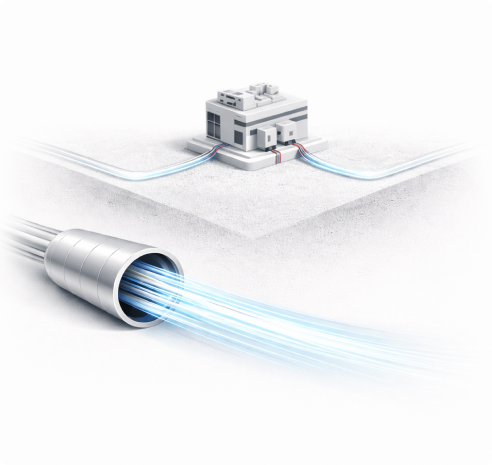
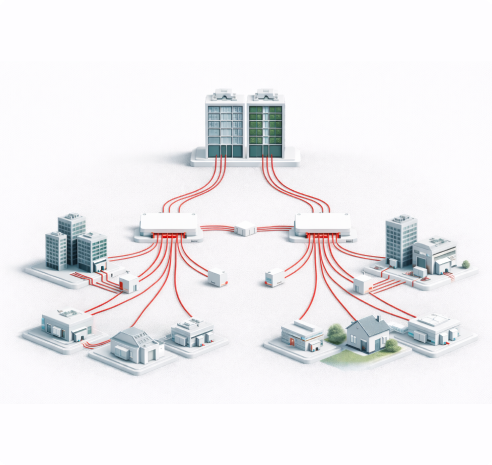
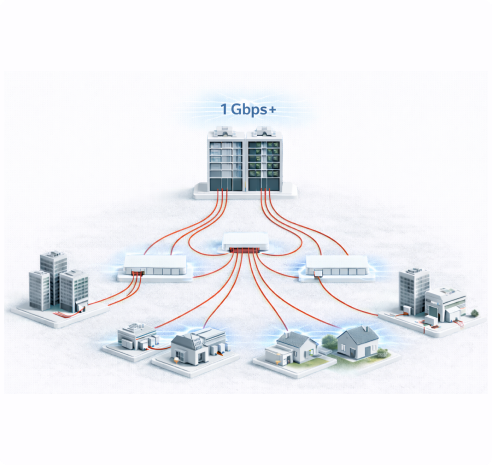
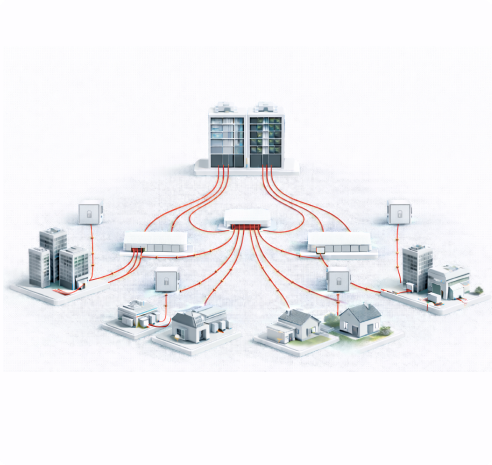
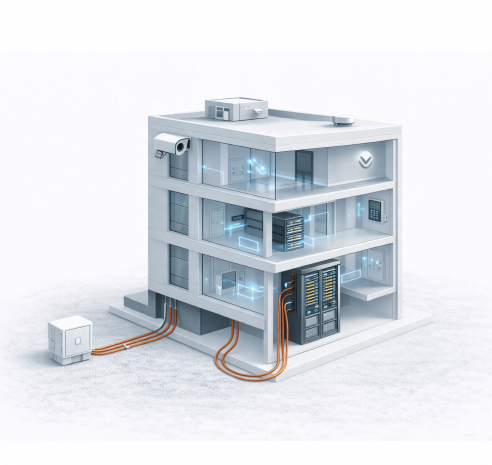
High-capacity optical fiber backbone connecting central distribution hubs to residential, commercial, and enterprise buildings, ensuring stable, low-latency, and scalable broadband connectivity.
Solutions
High-Capacity Optical Backbone
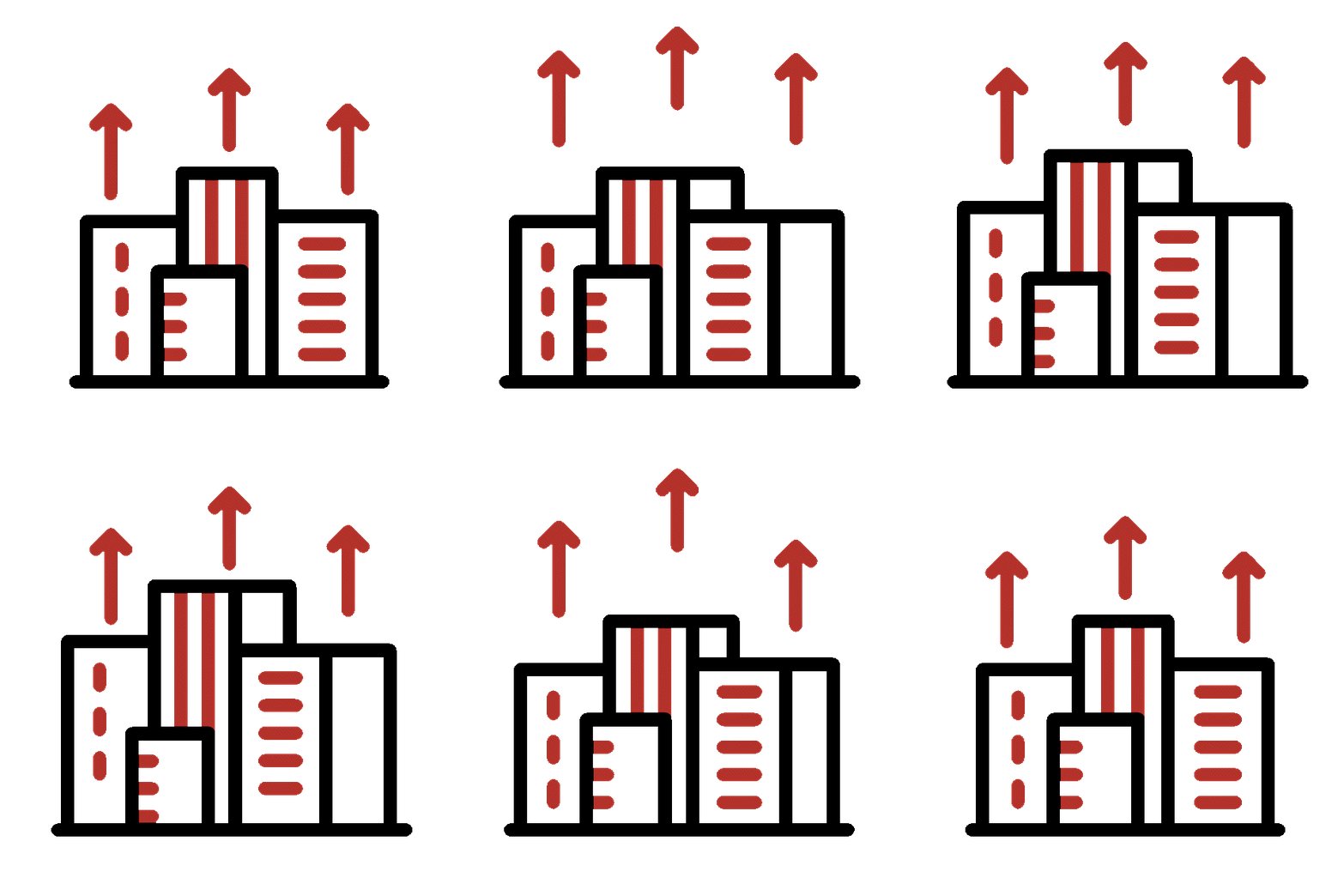
Enhances signal penetration within dense high-rise clusters, reducing network congestion.
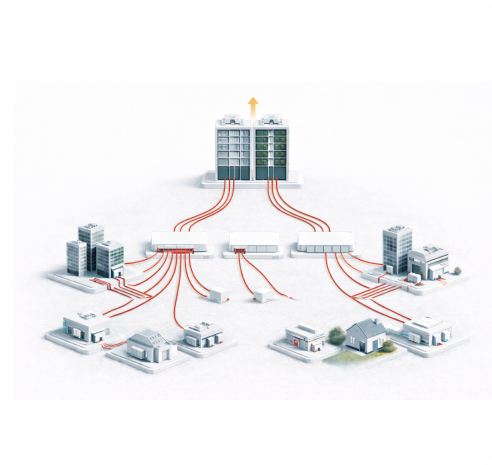
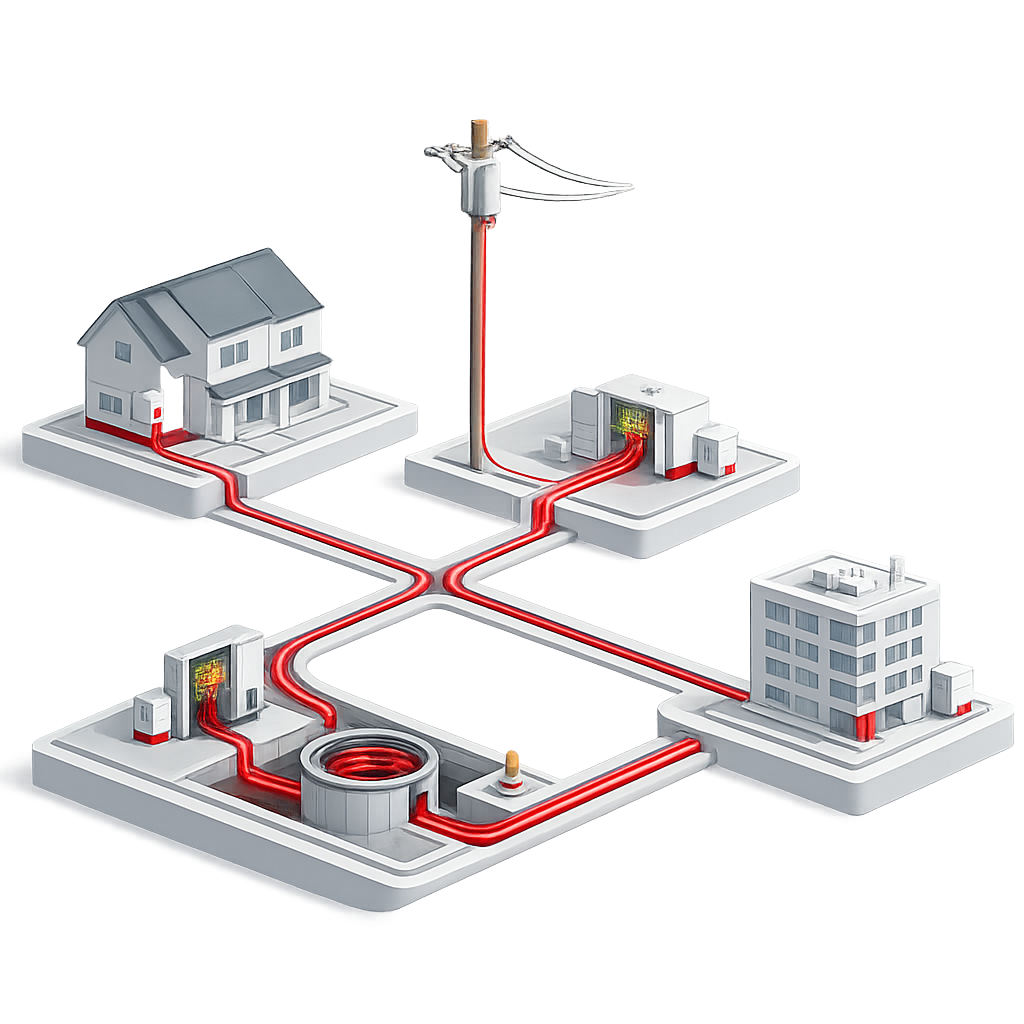
Underground & Aerial Routing
Flexible fiber models align with geography, regulations, project timelines.
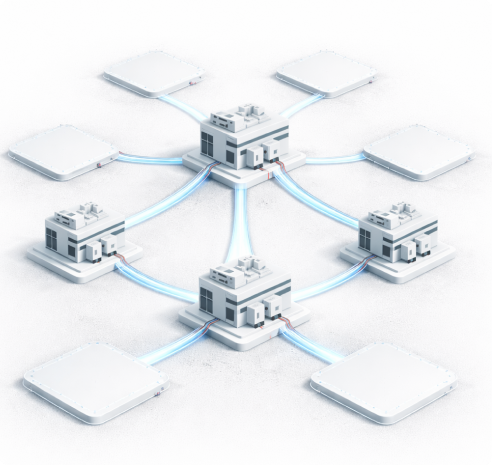
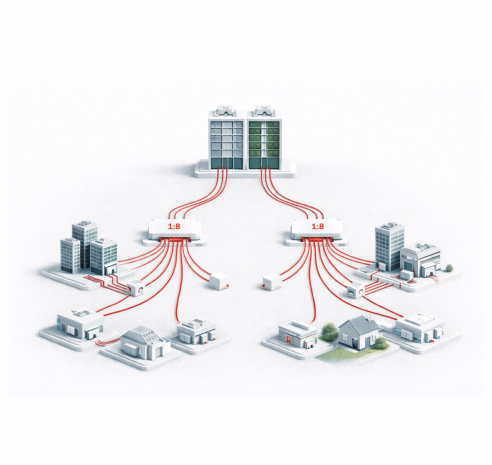
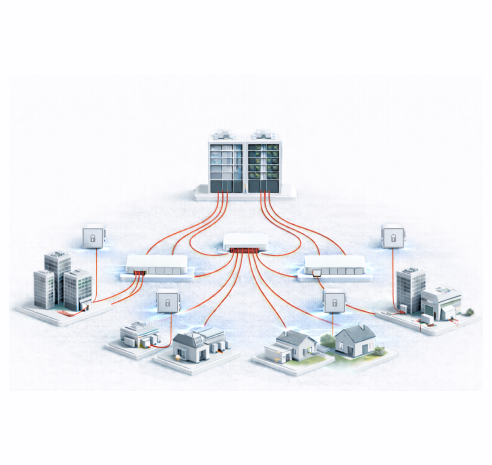
Cluster-Based Network Topology
Clustered design reduces costs and enables scalable broadband expansion.
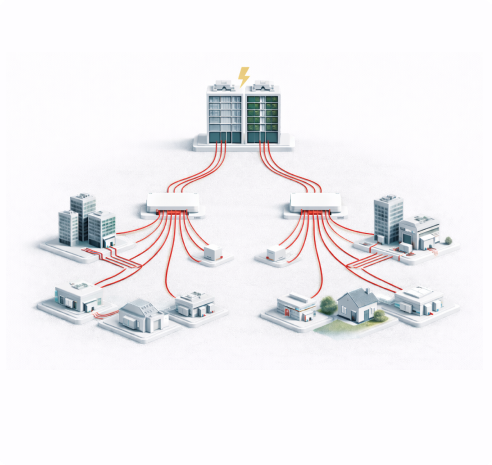
Low-Latency Data Transmission
Optimized routing ensures low latency and stable digital performance.
Keyfeatures
High-bandwidth optical fiber
Delivers ultra-fast data transmission with minimal latency.
Clustered topology architecture
Optimized node clustering improves distribution efficiency and reliability.
Low signal attenuation
Engineered fiber paths minimize loss across long distances.
A single company offering end-to-end connectivity, surveillance, and data center solutions with top ISP and mobility partnerships.
End-to-End Lifecycle Management
Fiber projects demand precision from acquisition to maintenance. A single accountable partner ensures execution control, uptime stability, and long-term reliability.
Passive-Optimized Deployment Strategy
GPON-based passive architecture is the backbone of scalable, cost-efficient fiber networks. It directly impacts rollout speed, capex control, and long-term sustainability.
Cluster-Based Scalable Design
Clustered topology reduces infrastructure redundancy while enabling seamless network expansion — critical for urban density and phased broadband growth.
Performance-First Engineering
Low latency, high bandwidth stability, and real-world reliability define FTTH success. Fiber must be engineered for actual consumption demand.
.svg)
.gif)








.png)













.gif)









.png)
%201%20(1).png)